

7 Benefits of Embroidered Team Logos for Your Squad
Table of Contents
- Why Embroidered Team Logos Build Instant Brand Recognition
- Durability That Survives the Season: Thread Longevity and Wash Resistance
- Embroidered vs. Printed Logos: Which Holds Up Better?
- How to Care for Embroidered Uniforms So They Last
- Embroidered Logos on Performance Shirts: What Works and What Doesn't
- Team Unity, Morale, and the Promotional Value of Custom Apparel
- Choosing the Right Embroidered Gear for Your Team
- Frequently Asked Questions
Last Updated: October 21, 2026
Why Embroidered Team Logos Build Instant Brand Recognition
Walk into any ballpark and you can spot the teams that got it right. The jerseys match, the caps carry the same crest, and before anyone throws a pitch, you already know who belongs together. That reaction is not accidental. Embroidered team logos build recognition because stitching creates real texture and depth that the eye reads as quality, and quality signals identity.
At Game Day Tampa Bay, we see this play out every season. A parent orders a cap, the cap shows up with a clean stitched crest, and suddenly the whole sideline looks like an organization instead of a collection of kids who showed up on the same day. The psychology is simple: a stitched logo reads as permanent. It says this team is a real thing, not a one-off.
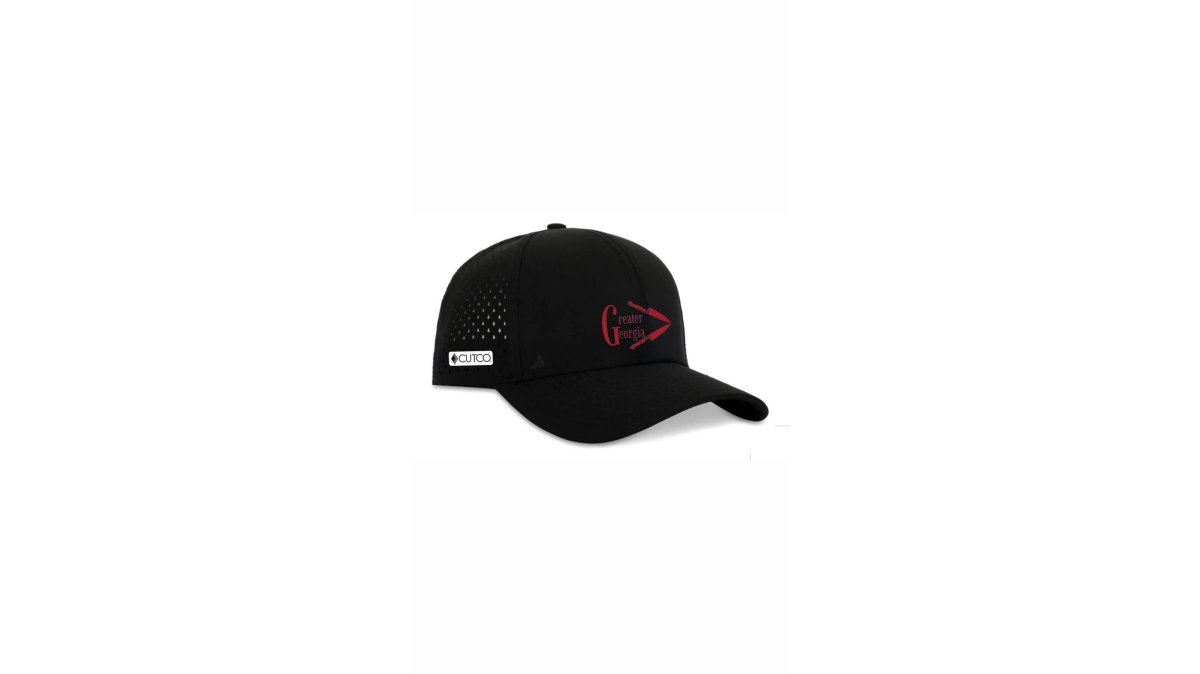
The Psychology of a Stitched Logo
Embroidered team logos carry a weight that flat decoration cannot match. Thread sits above the fabric, catching light and shadow, so the logo looks dimensional rather than printed on. That texture reads as a high-quality finish, and buyers translate that finish into trust. The same instinct that makes a stitched logo feel official also makes parents proud to pay for it.
Durability That Survives the Season: Thread Longevity and Wash Resistance
Thread longevity and wash resistance are the two specs that separate gear that lasts a season from gear that lasts a few weeks. Embroidery wins both because the stitching sits in the fabric rather than on top of it, so repeated washing does not crack, peel, or fade the design the way a printed layer can. But not all embroidery is created equal, and the difference comes down to four technical variables that most buyers never ask about.
Thread weight and type. Embroidery thread is measured in denier, and the weight you choose affects both hand-feel and abrasion resistance. A 40-weight polyester thread is the workhorse for team logos, it is fine enough for small lettering but strong enough to survive industrial washing. Rayon thread produces a high sheen that photographs well but degrades faster under UV exposure and repeated laundering.
Stitch density. Density is the number of stitches per square inch, and it is the single best predictor of whether a logo will pucker or hold its shape. Too few stitches and the design looks sparse and wears through quickly; too many and the fabric can distort under the thread. A common pattern among experienced embroiderers is to adjust density by fabric type, lighter density on stretchy performance knits, tighter density on structured caps and polos.
Backing and stabilizer. Behind every clean embroidered logo is a stabilizer that keeps the fabric from stretching during stitching. Cut-away backing is standard for knits and performance fabrics because it remains in place through repeated washing. Tear-away backing is lighter and works for stable woven fabrics, but it can break down faster. If a logo feels stiff or scratchy on the inside, the backing is likely too heavy for the garment.
Digitizing quality. Digitizing is the process of converting a logo file into a stitch file, and it determines how the machine sequences colors, sets underlay, and handles small details. Poor digitizing produces thread breaks, misaligned edges, and dense patches that feel like plastic. Good digitizing accounts for the fabric, the thread, and the final size of the logo.
A common mistake is judging a uniform by how it looks on the hanger. Look at the stitch density instead. Tight, even stitching holds its shape through dozens of wash cycles. Loose or sparse stitching puckers, and puckering is the first sign a garment will not survive a full schedule.
Pro Tip
Turn embroidered uniforms inside out before washing. The stitching on the reverse side takes the abrasion instead of the front face, and the logo keeps its crisp edge far longer.
Embroidered vs. Printed Logos: Which Holds Up Better?
Embroidered logos hold up better than printed logos on team apparel that gets washed and worn weekly. Printing wins on cost and complex color work, but embroidery wins on longevity, texture, and the professional aesthetic that teams want on game day.
| Factor | Embroidery | Printing |
|---|---|---|
| Durability | Stitching resists cracking and peeling | Layer can crack over time |
| Texture and depth | Raised, dimensional finish | Flat surface |
| Best for | Crests, caps, polos, uniforms | Large multi-color graphics |
| Color fastness | Thread holds color through washing | Ink can fade with wear |
| Wash resistance | High | Moderate |
When Printing Still Makes Sense
Printing still makes sense for large graphics with many colors, sponsor panels, and short-run items where budget matters more than lifespan. If a design needs photographic detail or a gradient, printing handles it and embroidery cannot. The trick is matching the method to the garment instead of forcing one technique onto everything.
How to Care for Embroidered Uniforms So They Last
Caring for embroidered uniforms comes down to protecting three things: the thread face, the backing, and the fabric under the stitching. Most damage happens not from wearing the garment but from how it is washed, dried, and stored. A few specific habits will extend the life of a stitched logo far beyond the typical season.
Washing. Wash embroidered garments in cold water, ideally below 86°F, on a gentle or delicate cycle. Hot water relaxes fibers and can cause thread to shrink at a different rate than the fabric, which leads to puckering. Turn the garment inside out so the drum and other garments abrade the backing rather than the logo face. Use a mild detergent and skip fabric softener entirely; softener leaves a residue that dulls thread and can break down the stabilizer over time. Avoid chlorine bleach, which weakens both thread and fabric.
Drying. The dryer is the most common cause of premature embroidery failure. High heat can melt certain synthetic threads, shrink backing, and set wrinkles that distort the logo. Air dry flat or hang the garment in the shade. If you must use a dryer, choose the lowest heat setting and remove the garment while it is still slightly damp. Never pull or stretch a stitched logo while it is wet, the fibers are more pliable and the embroidery can distort permanently.
Storage. Store embroidered uniforms folded rather than on wire hangers, which stretch shoulders and can leave crease lines through the stitching. For caps, keep the crown shape by stuffing with tissue paper or storing on a cap rack. Avoid storing embroidered gear in damp basements or hot attics; humidity can cause backing to degrade and heat can soften adhesives used in some stabilizers.
Stain treatment. Treat stains from the inside out by placing a clean cloth behind the stain and blotting from the front. Avoid scrubbing the embroidery itself, which can fray thread. For oil-based stains, a small amount of dish soap worked into the fabric around, not on, the stitching is usually enough.
- Wash in cold water on a gentle cycle
- Turn garments inside out to protect the stitching
- Skip fabric softener, which can dull thread
- Air dry or use low heat
- Store folded rather than on wire hangers that stretch shoulders
Watch Out
Pulling a stitched logo while it is still damp can distort the embroidery and leave a permanent ripple in the fabric. Let the garment dry flat before you handle the crest.
A simple rule of thumb: treat embroidered gear like you would a wool sweater, not a cotton T-shirt. The extra care takes minutes and adds months to the life of the logo.
Embroidered Logos on Performance Shirts: What Works and What Doesn't
Embroidered logos on performance shirts work best when the stitching is light and placed on stable fabric. Performance fabrics stretch, and heavy stitching on a stretchy panel can pull and pucker over time. The fix is placement and stitch density, not avoiding embroidery altogether.
What works: a compact crest on the chest, a small mark on the sleeve, and a name or number where the fabric has some structure. What does not: dense, oversized embroidery across a stretchy back panel. That combination fights the fabric and shows every pull.
Team Unity, Morale, and the Promotional Value of Custom Apparel
Custom apparel does double duty: it builds team camaraderie and it turns players into walking promotional merchandise. When every athlete wears the same stitched crest, the group reads as one unit, and that uniformity lifts employee morale in workplace leagues the same way it lifts team spirit on a youth field.
The promotional value is real. A parent wearing a team cap to the grocery store is marketing collateral that costs nothing extra. That cap from our embroidered visor collection at $20.00 does more brand work than a stack of flyers, because people actually wear it.

Key Takeaway
Uniformity is the cheapest morale tool a team has. Matching stitched gear makes a group feel like an organization, and that feeling shows up in how players carry themselves.
Choosing the Right Embroidered Gear for Your Team
Choosing the right gear starts with the garment, not the logo. Caps and structured pieces handle dense embroidery well, while stretchy performance tops need lighter stitching. Match the piece to the season and the sport before you worry about design.
Here is how we would build a starter order:
- Caps for sideline identity: our Khaki Cap G Embroidered at $21.00 or the Cap Navy and White at $21.00 give every player a stitched crest that survives sun and sweat.
- Visors for warm-weather sports: the Visor Embroidered at $20.00 keeps players cool while carrying the team mark.
- Bucket hats for younger squads: the Bucket Hat at $20.00 in garment-washed cotton twill suits recreational leagues that want a softer, unstructured fit.
- A premium option: the Hat at $25.00 with an embroidered logo works for coaches and staff who want a step up.
Best For
Recreational leagues with 12 to 20 players who need matching headwear fast, without a large minimum order.
Order early. The single most common complaint we hear is a vendor that missed the season start, and no amount of good stitching fixes a uniform that arrives after the first game.


Frequently Asked Questions
How long do embroidered logos last on team uniforms?
A well-made embroidered logo typically outlasts the garment itself. Because the design is stitched directly into the fabric with polyester or rayon thread, it won't peel, crack, or fade the way printed transfers can. With normal wear and proper washing, embroidered team logos hold their shape and color through multiple seasons. The main risks are abrasion from repeated high-heat drying and snagging on velcro or zippers, so washing inside out and air drying will keep the stitching tight and the colors sharp.
Is embroidered or printed better for team uniforms?
It depends on the fabric and the budget. Embroidery wins on durability, texture, and perceived quality, which is why it's the standard for caps, polos, and heavyweight jerseys. Printing, especially screen printing, is usually cheaper for large flat designs and works better on lightweight performance fabrics where heavy stitching could restrict stretch. For a team logo that needs to survive a full season of practices and washes, embroidery is the safer long-term investment.
Are embroidered logos suitable for performance shirts?
Yes, with the right setup. Performance shirts are usually made from thin, stretchy polyester, so the embroidery needs a lightweight backing and a lower stitch count to avoid puckering or restricting movement. Placing the logo on the chest or sleeve rather than across a stretch zone helps. A quality embroiderer will adjust stitch density and backing for performance fabrics, which keeps the shirt breathable and the logo flat.
How should you care for embroidered team uniforms?
Turn the garment inside out before washing and use cold water on a gentle cycle. Skip fabric softener, which can coat the threads and dull the colors. Air dry when possible; if you must use a dryer, choose low heat. Avoid ironing directly over the stitching, and never bleach colored embroidery. For caps, hand wash and reshape while damp. These habits protect thread longevity and keep the logo looking crisp all season.
Your season has a start date, and gear that shows up late is gear you cannot use. Game Day Tampa Bay builds custom uniforms and team-specific apparel with bold, unified design options, and we deliver gear in time for the season so your squad looks ready on day one. Customize your special gear here and get your team identity stitched before the first whistle.


